











SolGuruz Logo
Pricing

Salesforce Integration Services

Salesforce CRM integration services that keep your data moving without manual work.

Salesforce integration services connect Salesforce to the other systems your business depends on, including ERP, accounting, marketing, and support platforms. The work happens through REST and Bulk APIs, middleware such as MuleSoft, or native connectors. Data syncs on its own, and every team sees the same customer record.

Get Quote in 2 Minutes
Illustration of Salesforce connected to ERP, marketing and support systems through an integration layer

REST, Bulk, and Platform Events

You own the code from the first commit

Three testing cycles before go-live

The Integration Partner You Can Build On

Connected systems only stay reliable when someone owns the architecture. Here is the track record behind ours.

7+

Years Building Custom Software

15+

CRM Products & Integrations Delivered

99.9%

Project Delivery Ratio

87+

Clients Served Across 17+ Countries

Trusted by Startups and Enterprises Worldwide

success speaks louder

Watch How We Make a Difference

Tim Samuel, Vice President and Co-Founder at Sparketh
Sparketh

Online Art Education Platform

I've been working with SolGuruz for almost five or six years. They say you have to pick two of the three: cost, quality, or speed. SolGuruz has been the only company that I have ever experienced that has delivered on all three of those pillars at the same time. They deliver the highest quality code, designs, and projects at the best price and within timelines you think are impossible. You guys are amazing and unmatched.

Tim Samuel

Vice President & Co-Founder, Sparketh | Shark Tank Featured Startup

Gary Boyd, CEO of Tasty Food Guys LLC

Custom Software Solution Development / Driver Dashboard & Invoice Automation for Food Service Company

SolGuruz has delivered a solution that has reduced 90% of manual efforts through automation and provided real-time insights for supplier fulfillment and order volume trends. The team is responsive to requests and changes, and their proactive approach to problem-solving has stood out.

Tasty Food Guys

Summarized from Gary Boyd's Clutch review

Gary Boyd

CEO and Owner, Tasty Food Guys | Florida, USA

Read Clutch Verified Review
Robert Mond, Principal at The Master Storytellers LLC

Mobile App & Web App Dev & UX/UI Design for Social Platform / Daily Journaling App

SolGuruz has delivered the initial design and meets weekly to track progress. The team coordinates the project through a project manager as the primary client contact. SolGuruz is communicative and provides follow-up to meet requirements. They communicate via virtual meetings, emails, and messages.

DreamStoryLive

Summarized from Robert Mond's Clutch review

Robert Mond

Principal, The Master Storytellers LLC & Founder/CEO, DreamStoryLive | New Mexico, USA

Read Clutch Verified Review
Chad Smith, Owner of Monarch Radon Testing and Founder of RadonSketch

Radon Compliance Software - Website & Mobile App Dev for Home Services Company

SolGuruz delivered the project on time and had outstanding project management skills. Furthermore, the team communicated effectively and cohesively through Microsoft Teams. Overall, the service provider's performance led to the client's satisfaction.

RadonSketch

Summarized from Chad Smith's Clutch review

Chad Smith

Owner, Monarch Radon Testing LLC & Founder, RadonSketch | Colorado, USA

Read Clutch Verified Review

SolGuruz is Rated by Real People on Google and Clutch

SolGuruz Google Reviews
5.0

Rated 5.0 / 5 on Google by clients, partners, and visitors who have experienced SolGuruz first-hand - through our work, our office, or our team.

Read Google reviews →
SolGuruz Clutch Reviews
4.9

4.9 / 5 on Clutch - independently audited reviews from real clients who have shipped products with SolGuruz.

Read Clutch Reviews →

Backed by independent accreditations

Illustration of Salesforce data flowing between connected business systems

What Are Salesforce CRM Integration Services?

Salesforce CRM integration services cover the design, build, testing, and support of connections between Salesforce and other business systems. A typical engagement includes system discovery, integration architecture, field mapping, development, three testing cycles, and ongoing monitoring. The result is data that moves between platforms without anyone copying records by hand. Where Salesforce development work stands up the org itself, integration connects that org to everything outside it.

WHAT WE CONNECT

Salesforce Integration Solutions We Deliver

Salesforce holds one half of your customer record. The ERP, the accounting system, the support desk, and the marketing platform hold the other half, and your team spends its day carrying data between them. Here is what our Salesforce development team connects for you.

Salesforce API Integration

Some systems need a connection built to your exact business rules, and that is where direct API work applies. We build these using REST, SOAP, and Bulk APIs, with the choice driven by record volume and how quickly the data needs to land. Authentication runs through named credentials and OAuth 2.0, so no passwords sit in the integration. From what we see across projects, the error handling is the part that decides whether an integration is still trusted a year later.

Salesforce Middleware and MuleSoft Integration

Once three or more systems need to exchange data, point-to-point connections start multiplying faster than anyone can maintain them. We build orchestration layers on MuleSoft Anypoint, Heroku, Boomi, Jitterbit, and Workato using API-led connectivity, so each backend gets exposed once and every future connection reuses it. Your fourth and fifth tools then plug into a layer that already exists. This is the architecture decision clients tell us they wish they had made two systems earlier.

Real-Time Salesforce Integration

Some data has to move the moment it changes, and plenty of it is fine on a nightly schedule. We use Platform Events, Change Data Capture, and the Pub/Sub API to push updates across systems as records change. Event brokers like AWS EventBridge or Kafka come in where throughput is high. During discovery, we map which flows genuinely need real-time, because that single decision moves both the architecture and the budget more than most clients expect.

Salesforce ERP Integration

Connecting Salesforce to your ERP closes the gap between the sale and the fulfillment. Order status, inventory, pricing, invoices, and payment confirmation move in both directions across SAP, NetSuite, Oracle, Microsoft Dynamics, Acumatica, and Infor. We also build the conflict resolution rules for records edited in two places at once. In our experience, ERP is the connection worth sequencing first, because the manual work it removes is the easiest to measure.

Salesforce Data Migration and Sync

Moving records into Salesforce is a data quality exercise before it becomes a technical one. We document field-level mapping across every object and relationship, then deduplicate, standardize, and transform the data before anything moves, the same discipline we bring to CRM migration on any platform. Cutover runs in phases with a full backup and a defined rollback point. Post-migration we validate against record counts and sample audits, because a clean migration is what every ongoing sync afterward depends on.

Master Data Management and Data Governance

Connected systems stay reliable when someone has decided which record wins. We define ownership per object and per field, apply deduplication and standardization rules at the sync layer, and build validation that rejects bad data at the point of entry. Monitoring dashboards then track sync success rates and error volumes, with audit trails covering every automated change. This is the layer that keeps an integration accurate six months past go-live.

Salesforce Integration Audit and Remediation

Integrations you inherited often keep working right up until they do not, and the documentation rarely comes with them. We inventory every active connection, scheduled job, and API consumer, then diagnose the silent sync failures and identify which records were affected. Dependency mapping comes next, so a fix in one place does not break something downstream. You get a costed, phased roadmap before we touch anything.

Ongoing Integration Support

Salesforce ships three seasonal releases a year, your connected platforms update on their own schedules, and your data volumes keep growing. We monitor the integration layer for sync failures and API limit pressure, test compatibility ahead of each release, and adjust flows as your workflows change. Clients tell us the release testing is the part they had not planned for until something broke during one.

Where to Start With Salesforce Integration

Eight service cards is a lot to read through. If one of these sounds like your week, the matching service sits beside it.

What is happening nowStart here
Sales opens a second system to check order or ticket status before every callSalesforce ERP Integration
Finance re-enters closed-won deals into the accounting system by handSalesforce ERP Integration
Reporting means exporting from Salesforce and merging in a spreadsheetMaster Data Management and Data Governance
An Agentforce or AI project is waiting on data that sits in four systemsReal-Time Salesforce Integration
Records stopped syncing at some point and nobody was alertedSalesforce Integration Audit and Remediation
Each new tool means building another connection from scratchSalesforce Middleware and MuleSoft Integration
A platform you depend on has no usable connectorSalesforce API Integration
Records are moving off a legacy system that stays live afterwardSalesforce Data Migration and Sync
See What Your Systems Could Do Connected

Tell us your platforms and we will map the data flows.

Illustration of data flows being mapped between Salesforce and connected business systems

WHAT CHANGES

Benefits of Salesforce Integration in 2026

Here is what changes operationally once Salesforce is connected to your ERP, support desk, marketing platform, and accounting system.

One customer record across systems

Orders, tickets, invoices, and campaign history pull into a single Salesforce view. Sales, support, and finance all read from the same data.

Manual re-entry stops

A closed-won deal creates the invoice, the project, and the onboarding tasks on its own. Your team spends the time on customers.

Clean data reaching your reports

Sync rules catch duplicates and field mismatches before records land in the CRM, so dashboards hold up without manual reconciliation.

Full context before every conversation

Reps see open tickets and payment status ahead of a call, and support agents see deal value before they respond.

A data layer your AI tooling can use

Records arrive mapped, clean, and available at the latency agents need, which is what Agentforce and predictive models depend on.

Room to add systems later

New tools connect into an existing integration layer, so your fifth platform costs less to connect than your second did.

Salesforce Integration Challenges

Four conditions decide whether connected data is usable by the people and systems reading it.

ConditionWhy it matters
Fields mapped and reconciledA customer name field in Salesforce rarely maps cleanly to the same field in an ERP, and mismatches surface as reporting errors months later
Record ownership defined per objectWhen two systems can both edit the same record, a rule has to decide which version wins
Latency matched to the use caseA nightly batch serves a monthly report well and serves a live agent poorly
Access governed at the integration user levelLeast-privilege permissions and audit logging keep connected systems reviewable as automated readers multiply

Our architects define all four during discovery, ahead of any build.

INTEGRATION PATTERNS

What Are the Different Types of Integrations in Salesforce?

Salesforce integrations fall into three types, and picking the right one early is what keeps a build maintainable two years later. Data integration keeps records matched between Salesforce and external systems. Process integration links workflows so an event in one application triggers steps in another. User interface integration embeds outside applications inside the Salesforce view. Each type contains its own patterns, from batch synchronization to publish and subscribe.

Data Integration

Keeps information accurate and matched between Salesforce and external stores such as an ERP or a data warehouse. Batch data synchronization moves records in bulk on a set schedule using Data Loader or an ETL platform, and suits high volumes where a few hours of lag costs nothing. Data virtualization displays external data through Salesforce Connect without copying records locally, which suits compliance-sensitive data and very large datasets. Remote call-in lets an external system query or update Salesforce records directly through the API, and suits order status updates and third-party portals.

Process Integration

Links business rules and workflows, so an event in one application starts automated steps in another. Request and reply sends a real-time request and pauses until the answer arrives, which suits payment processing, address validation, and credit checks. Fire and forget sends an outbound message or platform event and carries on without waiting, which suits shipping notifications and downstream alerts. Publish and subscribe has systems listening for event messages through Platform Events or Change Data Capture, and suits real-time flows across three or more systems.

User Interface Integration

Embeds third-party applications into the Salesforce desktop and mobile view, so users stay on one screen. Canvas apps place an external web application securely inside a Salesforce layout using the Canvas SDK. Lightning Web Components are custom JavaScript components that display external data or call third-party microservices from inside a record page.

Most projects combine types. A single ERP connection often runs batch synchronization for historical records, publish and subscribe for live order events, and a Lightning Web Component surfacing shipment status on the account page.

Salesforce Integration Architecture

Two architectures carry these patterns. We pick between them during discovery based on how many systems you expect to connect over time.

Point-to-pointHub-and-spoke
How it connectsDirect link between Salesforce and one other systemEvery system routes through a middleware layer
Best atFirst or second connectionThird connection onward
Upfront costLowerHigher
Cost per new connectionRises with each oneFalls after the layer exists
MaintenancePer connectionCentralized
Breaks down whenConnection count passes threeFewer than three systems justify the license

Three variables settle the choice: data volume, how quickly records need to arrive, and how much tolerance the business has for a failed sync going unnoticed.

SYSTEMS WE CONNECT

Salesforce Third Party Integration: Systems We Connect

Tell us what you run and we will map the data flows. Here are the systems our team connects to Salesforce most often.

ERP and Finance

Order, inventory, invoice, and payment data moving in both directions. SAP, NetSuite, Oracle, Microsoft Dynamics, Acumatica, Infor, QuickBooks, Xero, and Sage.

Marketing Automation

Lead scores, campaign engagement, and contact updates syncing continuously. HubSpot, Marketo, Pardot, Mailchimp, Constant Contact, and ActiveCampaign.

Customer Support and Service

Ticket status and case history visible on the account before any conversation starts. Zendesk, ServiceNow, Freshdesk, Intercom, and Gainsight.

Ecommerce and Payments

Orders, cart activity, and payment status flowing into customer records. Shopify, Magento, BigCommerce, WooCommerce, Stripe, PayPal, and Adyen.

Communication and Telephony

Calls, messages, and meetings logged against the right contact automatically. Twilio, RingCentral, Slack, Microsoft Teams, Zoom, and the WhatsApp Business API.

Data and Analytics

Salesforce data feeding your warehouse and BI layer without manual export. Snowflake, BigQuery, Amazon Redshift, Tableau, Power BI, and Looker.

Documents and E-Signature

Contracts, proposals, and signed agreements attached to the record they belong to. DocuSign, PandaDoc, Adobe Sign, SharePoint, Google Drive, and Box.

Technologies We Build Salesforce Integrations With

The SolGuruz Salesforce integration services tech stack covers the platform APIs, middleware, and monitoring layers a connected architecture depends on. Every project uses 30+ AI-assisted tools across design, engineering, and delivery, with a custom AI Quality Agent scoring every pull request before merge. The result is consistent code quality across sprints and integrations that hold their performance as data volumes grow.

Claude Code

GitHub Copilot

Cursor

Windsurf

v0

Gemini

Codex

Banani

Figma Make

Uizard

Pencil Dev

Stitch

Kiro

Antigravity

User-doc

Miro AI

Whimsical AI

Claude Code

GitHub Copilot

Cursor

Windsurf

v0

Gemini

Codex

Banani

Figma Make

Uizard

Pencil Dev

Stitch

Kiro

Antigravity

User-doc

Miro AI

Whimsical AI

Our Salesforce Integration Process

Seven steps run on every Salesforce integration we build, from the first system audit through handover. The same team that handles Salesforce development owns the integration architecture.

01

Discovery and system audit

We inventory every system in scope, map how data moves between them today, and check what each platform API can actually support. Record volumes, existing sync jobs, and access constraints all get documented. This is also where CRM consulting work happens if the wider workflow needs review before any connection gets designed.
02

Architecture design and pattern selection

Your Salesforce architect selects the integration pattern for each connection, decides whether a middleware layer is warranted, and designs the security model. The same Salesforce development team that builds custom objects and Apex logic handles the integration architecture.
03

Data mapping and cleansing

Every field gets mapped across objects and relationships, then documented. Deduplication, standardization, and transformation logic get defined against your actual records. Where records move off a system that stays live afterward, this runs alongside CRM migration planning.
04

Build

Development runs in two-week sprints with a working demo at the end of each one. You have full repository access from the first commit, so every branch and every change is visible as it happens.
05

Three testing cycles

Every integration passes three cycles before go-live: functional testing against all field mappings, performance testing under twice your projected data volume, and user acceptance testing with at least two team members from each affected department.
06

Phased deployment

Sandbox validation runs first, then a staged rollout with monitoring active on every flow. Hypercare covers the weeks immediately after go-live, when sync failures are most likely to surface.
07

Documentation and handover

You receive architecture diagrams, data flow maps, field mapping documentation, authentication setup, and error handling logic. Your team can maintain or extend the integration independently from that point.

We have run this process on real integration work: our B2B diamond trading platform syncs inventory directly with the client ERP across four platforms. That was a custom CRM rather than Salesforce, and the integration discipline is the same one described above.

What you own, from the first commit: full source code, all documentation listed above, authentication configuration, and every piece of intellectual property. Bringing maintenance in-house or moving to another partner stays your call.

Working Software Beats Status Slides

Biweekly demos of real integration flows, individual daily updates from every engineer, and open repository access from the first working day.

See How We Deliver

SECURITY BY DESIGN

Salesforce Integration Security and Compliance

Security decisions get made at the architecture stage, so here is what goes into every connection we build.

Encrypted data in transit and at rest

TLS on every connection between systems, with field-level encryption applied where the data warrants it.

Authentication through named credentials

OAuth 2.0 flows with credentials stored in Salesforce rather than hardcoded into the integration, so rotating them never means a code change.

Least-privilege integration users

Each connected system authenticates through its own user with access to the specific objects and fields it needs.

Role-based access on synced data

Records arriving from an external system inherit your existing sharing rules, so an integration never widens who can see what.

Audit logging on every automated change

Field history and event monitoring record what each integration wrote and when, which matters as the number of automated writers grows.

Salesforce Shield where your edition supports it

Platform encryption, event monitoring, and field audit trail configured for orgs handling regulated data.

Salesforce Regulated Industry Requirements

Compliance requirements shape the architecture from the start, not after the build.

FrameworkWhat it changes in the integration
HIPAAPHI encryption, access controls, audit trails, and business associate agreements with any subprocessor in the data path
GDPRData residency mapping, lawful basis documentation, and deletion propagation across every connected system
SOC 2Documented change control, monitoring evidence, and access review records for the integration layer
PIPEDA and APPIRegional data handling and consent requirements for Canadian and Japanese operations

We build healthcare CRM integrations connecting EHR platforms against HIPAA requirements, and fintech CRM integrations covering KYC and audit trail requirements. We engineer compliance-ready systems; we do not issue compliance certifications. SolGuruz holds ISO 27001 and ISO 9001 certification, both independently audited.

Integrating Salesforce in a Regulated Industry?

Fintech, insurance, and healthcare integrations with compliance requirements engineered into every data flow, audit trail, and access control.

Industries For Which We Build Salesforce Integrations

SolGuruz has delivered custom CRM development and integration work across 14+ industries in 17+ countries, including the USA, UK, Germany, Japan, Canada, Australia, and Saudi Arabia.

Fintech

We connect Salesforce to core banking platforms, portfolio management systems, and KYC documentation workflows for financial services firms. Every sync carries the audit trails and field-level access controls regulated teams need, so compliance evidence exists without anyone assembling it manually.

Insurance

For insurers and brokers, we integrate Salesforce with policy administration and claims systems so quote status, renewals, and coverage details stay current in one view. Agent portals and underwriting tools connect through the same layer, which removes the manual handoffs that slow service.

Healthcare

We integrate Salesforce with EHR platforms including Epic, Cerner, and Athenahealth through FHIR R4 or HL7 v2, alongside patient portals and billing systems. PHI moves under encryption with role-based access, following the same healthcare CRM security standards we apply on every regulated build.

Logistics

For logistics teams, we connect Salesforce to fleet tools and Transportation Management Systems. Shipment status, delivery confirmations, and exception alerts flow into the account record, so dispatch and sales work from the same live data.

Manufacturing

We integrate Salesforce with ERP, production planning, and dealer management systems for manufacturers. Order configuration, inventory levels, and warranty history sync in both directions, connecting your sales, service, and production teams to one source of truth.

SaaS

We connect Salesforce to billing platforms, product analytics, and support tooling for subscription businesses. Usage data, renewal dates, and account health signals arrive together, so growth teams see expansion and churn risk in the same place.

Real Estate

We integrate Salesforce with property portals, MLS data feeds, and document workflows for real estate teams. Inbound leads get captured and assigned on arrival, and commission and transaction records stay attached to the deal they belong to.

Education

Our integrations connect Salesforce to Student Information Systems and Learning Management Systems. Admissions pipelines, enrollment status, and course engagement combine into one view of the learner lifecycle for admissions and marketing teams.

Why Choose SolGuruz as Your Salesforce Integration Company?

Choosing a Salesforce integration company takes more than API knowledge. SolGuruz brings the Salesforce developer skills a connected architecture needs, with reliable delivery, an open process, and long-term accountability that keeps every connection working as your systems change.

Architecture decided before any code

Your integration architect selects the pattern for each connection and documents the reasoning before development starts. You approve the architecture, so the design decision behind every sync is one you understood and signed off on. On our B2B diamond trading build we synced inventory straight into the client ERP across four platforms, and that pattern was settled before the first sprint.

Experienced Salesforce developers

Your integration is built by developers who know the platform governor limits, API allowances, and event architecture. That knowledge keeps a high-volume sync inside its call ceiling on day one, and it sits inside a team of 90+ engineers with 7+ years of delivery behind them.

Three testing cycles on every integration

Every connection passes functional testing against all field mappings, performance testing under twice your projected data volume, and user acceptance testing with two team members from each affected department. Sync failures get found in a sandbox.

Full code ownership from day one

You own 100% of the source code, from Apex callouts and middleware configuration to field mapping documentation and architecture diagrams, from the moment it is written. There is no vendor lock-in, so bringing maintenance in-house or switching partners stays your call.

Open repository access throughout

You get repository access from the first commit, alongside visibility into design progress, sprint output, and roadmap updates. 70% of our new work arrives by referral, and clients do not refer a partner whose process they cannot see.

Direct collaboration with technical teams

You talk directly with the engineers building your integrations, which shortens feedback cycles and keeps technical decisions grounded in how your teams actually use the data. Every person on the project sends you their own daily update, and 80% of clients come back for the next build.

Global compliance expertise

We build integrations engineered against the rules of every market you operate in. That covers HIPAA in the US, GDPR in Europe, PIPEDA in Canada, the Privacy Act in Australia, APPI in Japan, and PDPL in Saudi Arabia. SolGuruz holds ISO 27001 and ISO 9001, both independently audited, and our builds are independently penetration tested.

Release compatibility handled

Salesforce ships three seasonal releases a year, and connected platforms update on their own schedules. We test integration compatibility in a sandbox ahead of each release and adjust flows before anything reaches your production org.

Support backed by the team that built it

Connected systems need monitoring and adjustment as data volumes grow and workflows change. With 95% engineer retention, the team that built your integrations is the team supporting them, keeping every connection aligned with how your business operates now.

Our experienced CRM developers and Salesforce integration consultants work this way on every engagement. Teams in Ahmedabad, Canada, and Australia support Salesforce integration services in USA, UK, and Australian time zones.

Get a Scoping Call on Your Integration

Bring your system list to a 30 minute call. Our architects map the data flows and name the right approach.

Illustration of an architect mapping Salesforce data flows across connected systems

our stories

Connected Systems We Have Shipped

Real integrations we designed, built, and support, across the industries where data has to stay in sync under pressure.

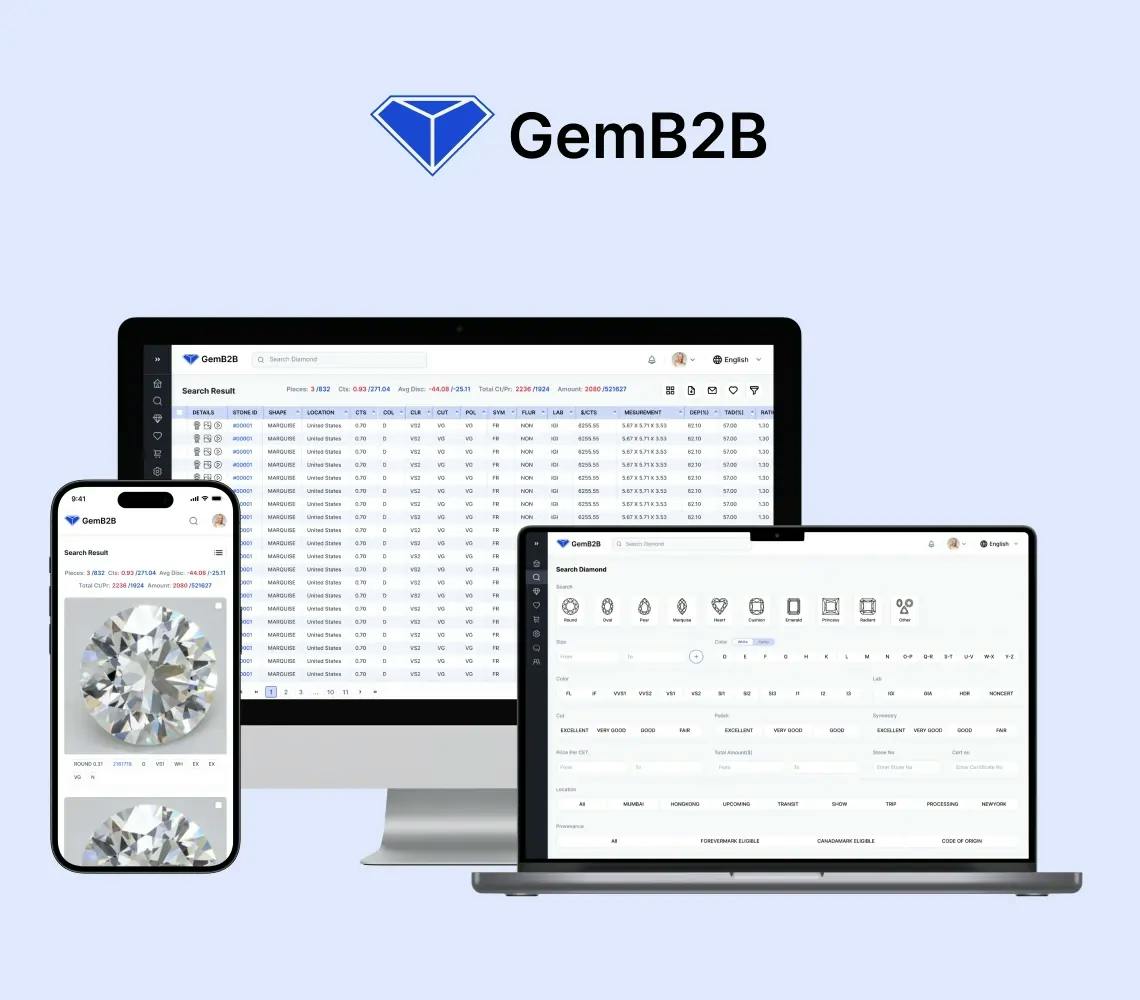
Diamond B2B Portal and Diamond CRM Development

B2B Diamond CRM Portal With ERP Synchronisation

Gem is a B2B diamond trading portal with inventory sync to client ERP systems, 4 platforms (web, mobile, backend, cloud), and enterprise security.

Key Outcomes

6+ Month
Delivery Timeline
4 Platforms
Web, Mobile, Backend, Cloud
ERP Sync
Inventory Synced with Client ERP
B2B
Diamond Trading
View Full Case Study
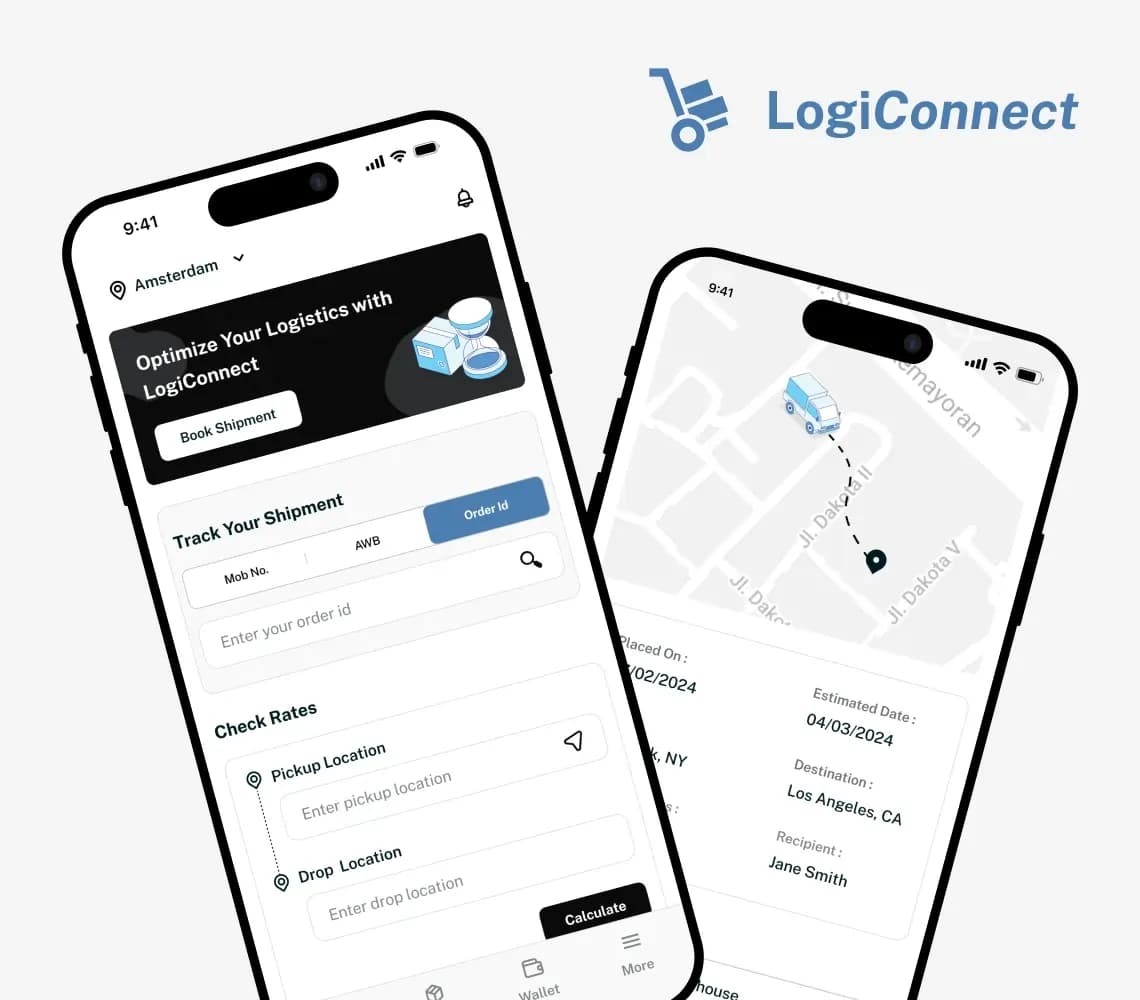
Supply Chain Management App Solutions

Supply Chain Management App Solutions

SolGuruz's Supply Chain Management Case Study demonstrates substantial improvements in logistics and inventory strategies for a tech firm.

Key Outcomes

6+ Month
Delivery Timeline
B2B + B2C
in One Platform
ELD
Driver Safety & Compliance
5 Layers
Encryption, OAuth 2.0, AWS
View Full Case Study
KarmIQo: A Smart Employee Performance & Recognition Platform Case Study

KarmIQo: AI-Powered Performance Management With OKRs, KPIs & Recognition

Unifies OKRs, KPIs, recognition, and feedback into one AI-powered SaaS platform, replacing 3 legacy tools with a single source of truth for performance management.

Key Outcomes

12-Week
Delivery Timeline
3 Modules
OKR, KPI, Recognition
Team of 5
Engineers on Project
Modern Stack
React / Next.js, PostgreSQL, ChatGPT / OpenAI Integration, AWS
View Full Case Study
Property Management Software Solutions

Property Management Software Solutions

We built a custom property platform with CRM-style tenant management, maintenance requests, automated rent collection, and financial reporting across role-based panels.

Key Outcomes

12-14 Week
Delivery Timeline
15-20 hrs
Rent Reconciliation Saved
3 Portals
Tenant, Landlord, Admin
5 Layers
Security: Encryption to Rollback
View Full Case Study
View All Case Studies

What Our Clients Say

Explore the latest reviews from our existing clients to get a better picture of our services and collaboration.

Clutch Fall Champion 2024
Clutch Global Award Fall 2024
Top Clutch Nextjs Developer 2023 Award
Most Reviewed App Development Company
Top App Development Company on appFutura
Real estate

Web Design, Mobile App Development of Real Estate Platform for Real Estate Company

SolGuruz has delivered a functional, error-free platform that aligns with the client's needs and requirements, meeting expectations. They ensure a smooth process through their effective communication, responsiveness, proactive problem-solving, and streamlined, transparent development process.

Chirag Balani

Summarized from Chirag Balani's Clutch review

Chirag Balani, General Manager, Property Dollar

AustraliaSydney, Australia

Oct. 2021 - Ongoing
Travel & Hospitality

Web Platform & Mobile App Dev of Travel Experiences Platform for Travel Experiences Company

The product developed by SolGuruz is very appreciated by end customers, and the client is very pleased with their work overall. The team is very communicative and knowledgeable, and they deliver on time and within budget. Additionally, they’re very flexible to constantly changing requirements.

From the verified Clutch review by

CEO, Travel Experiences Company

SwitzerlandBasel, Switzerland

May. 2016 - Ongoing
Food & Beverage

Web & Mobile App Dev for Online Food and Grocery Platform

SolGuruz successfully delivered a reliable and robust system with an easy operating experience. The team fulfilled all the client's expectations and delivered the project on time. Their active involvement in the project and effective communication via virtual meetings were hallmarks of their work.

Kastriot Shatri review for SolGuruz

Summarized from Kastriot Shatri's Clutch review

Kastriot Shatri, CEO, Kas Foods Solution Group Kft

Budapest, HungaryBudapest, Hungary

Sep. 2023 - Mar. 2025
HR & Recruitment

UI/UX Design, Branding and App Development for Recruitment Agency

SolGuruz's clean designs have received positive user feedback. The team is responsive, holds monthly reviews and weekly stand-up meetings, and communicates via Microsoft Teams, showcasing solid project management. Their willingness to listen to the client's needs and feedback is impressive.

From the verified Clutch review by

Founder, Recruitment Agency

AustraliaDarwin, Australia

Apr. 2025 - Ongoing
Media

Custom Software Dev for Digital Media Distribution Company

SolGuruz delivered the project in a timely manner that met the client's expectations. The service provider ensured excellent communication via email and virtual meetings. Their accommodating and empathetic approach was impeccable.

Samir Khandwala review for SolGuruz

Summarized from Samir Khandwala's Clutch review

Samir Khandwala, CEO, iMusti, Inc.

UsaFremont, California, United States

Jul. 2022 - Sep. 2022
Diamond & Jewelry

E-commerce Platform (Web & Mobile App Development) for Diamond Seller

SolGuruz has successfully launched the client's platform across the market. By being hands-on in receiving feedback and making revisions, the team offers a personal touch when addressing the client's needs. SolGuruz's innovative solutions and 24/7 support have also been key to the project's success.

From the verified Clutch review by

Partner, Diamond Seller

Hong KongHong Kong

Aug. 2023 - Ongoing

Explore More CRM Development Services

CRM projects rarely need just one capability. Explore the other CRM software development services our team delivers.

Salesforce Development

Salesforce Development

Consulting, custom Apex and LWC development, and ongoing support on the Salesforce platform.

CRM Integration

CRM Integration

Connect your CRM to the tools your teams already use, with data flowing automatically between systems.

CRM Migration

CRM Migration

Move records, history, and audit trails from a legacy CRM to a modern one, cleaned and validated.

CRM Consulting

CRM Consulting

Workflow mapping, gap analysis, and a costed roadmap before you commit to a build.

AI CRM Workflow Automation

AI CRM Workflow Automation

AI-driven automation for data entry, follow-ups, and routing so your team focuses on relationships.

Mobile CRM App Development

Mobile CRM App Development

Native and cross-platform CRM apps with offline access and controlled sync, so field teams stay productive anywhere.

Cloud CRM Development

Cloud CRM Development

Cloud-native CRM on AWS, Azure, or Google Cloud with auto-scaling, disaster recovery, and full code ownership.

Frequently Asked Questions

Quick answers to the questions our clients and prospects ask most. If yours is not here, our team is one click away.

Need advice tailored to your project?

FAQs cover the common ground. For decisions specific to your tech stack, timeline, and team, talk directly to a senior engineer who has shipped what you are planning.